The Next Wave of Intelligence
AI used to feel like something happening to other industries. Then, almost overnight, it became part of ours – quietly automating admin, speeding up analytics, and reshaping how people connect at work.
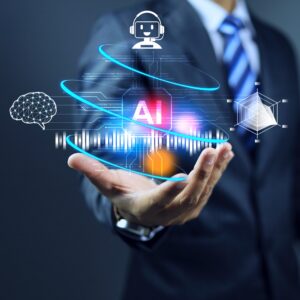
Now comes the next leap: Agentic AI. Technology that doesn’t just follow instructions but takes initiative. And that shift changes everything. It forces HR leaders to ask a very human question – how do we keep people at the centre when technology starts thinking for itself?
What Agentic AI Is – and Why It Matters
At its core, agentic AI is simply technology that doesn’t wait to be told what to do. Instead of sitting quietly until someone presses a button, it notices what’s needed and gets on with it. Traditional AI reacts. Agentic AI takes initiative.
This isn’t about robots running the office. It’s more like having a digital colleague who spots things early and steps in where it can help. Imagine a system that notices subtle wellbeing red flags and prompts a check-in before anyone reaches burnout.
For HR, that shift could be genuinely valuable. It moves us from constantly responding to issues to anticipating them – using insight to support people, not to replace the human judgment and empathy that HR is built on.
If you’re exploring AI more broadly, our earlier article The Future of AI in HR: A Security-First Approach offers helpful context.
A Changing Role for HR
As agentic AI develops, the role of HR will naturally shift with it. We’ll see more partnership between human judgement and intelligent systems, with everyday admin quietly handled in the background. That gives HR the headspace to focus on the bigger things: culture, strategy, and the parts of work that truly need a human touch.
But we can’t ignore the other side of the story. As some tasks become automated, people will naturally wonder whether their role is next. Even the idea of being replaced can unsettle teams long before anything actually changes. Left unspoken, that uncertainty can drain morale and engagement faster than any technology ever could.
This is exactly where HR leadership matters most. Clear communication, honest conversations, and thoughtful role design can make the difference between fear and confidence. When employees understand why automation is happening and how their work still adds value, the mood shifts. They feel part of the journey, not threatened by it.
At Strait Logics, we’ve always believed that progress should make work better for people, not more complicated. Whether it’s through Rewards Portal or the early development of concepts like Rewards Portal Intelligence (RPi), our aim is the same: to give HR teams the insight and tools they need to communicate well, make confident decisions, and build workplaces where technology supports the human experience instead of overshadowing it.
Opportunities and Responsibilities
When used thoughtfully, agentic AI has the potential to genuinely improve the employee experience. Instead of constantly reacting to issues, HR could spot challenges early and respond before they impact wellbeing, performance, or retention. It’s a shift from firefighting to foresight – using insight to support people in a more personal and proactive way.
But with that potential comes real responsibility. Intelligent systems are only as fair as the data behind them, and bias doesn’t disappear just because it’s automated. Strong governance, clear decision-making rules, and open communication become essential if we want these tools to strengthen trust rather than undermine it.
This is the moment for HR to set the tone. Fairness, transparency, and human oversight need to be built in from the start, long before the technology sets its own expectations. CIPD makes this point strongly in their guidance on emerging technologies and the future of work, which you can find in their Emerging and Future Themes at Work factsheet.
If HR leads these conversations now, organisations will be far better placed to innovate without compromising integrity.
Preparing for the Future
For HR leaders, now is the moment to engage with this shift – long before agentic AI becomes the norm. It starts with understanding your own data landscape: how information is collected, where it’s stored, and what insights are already possible. From there, it’s about spotting where automation could genuinely help people rather than distance them.
Most importantly, HR needs to open up the conversation. Employees will have questions, assumptions, and worries. Creating space for honest dialogue about how emerging technology is used can defuse uncertainty before it turns into distrust.
Because this new phase of intelligence isn’t really about machines replacing people. It’s about finding the right balance between human judgement and automated support. HR will be central to shaping that balance – guiding organisations to use technology in ways that strengthen connection, not weaken it.
If you’re exploring how benefits communication fits into this bigger picture, our piece on Total Reward Statements may also be useful.
Conclusion: Intelligence with Integrity
Agentic AI may still be in the early stages, but the direction of travel is unmistakable. Technology is becoming more capable and more independent, and HR will need to guide that change rather than react to it.
At Strait Logics, we’ve always believed that progress should make work better for people, not more complicated. Whether it’s through Rewards Portal or RPi, our aim is the same: to give HR teams the insight and tools they need to communicate well, make confident decisions, and build workplaces where technology supports the human experience instead of overshadowing it.
Because no matter how advanced these systems become, the real value in any organisation will always be its people.
Discover how Strait Logics helps HR teams build greater clarity and connection in a fast-changing world. Learn more about Rewards Portal →